
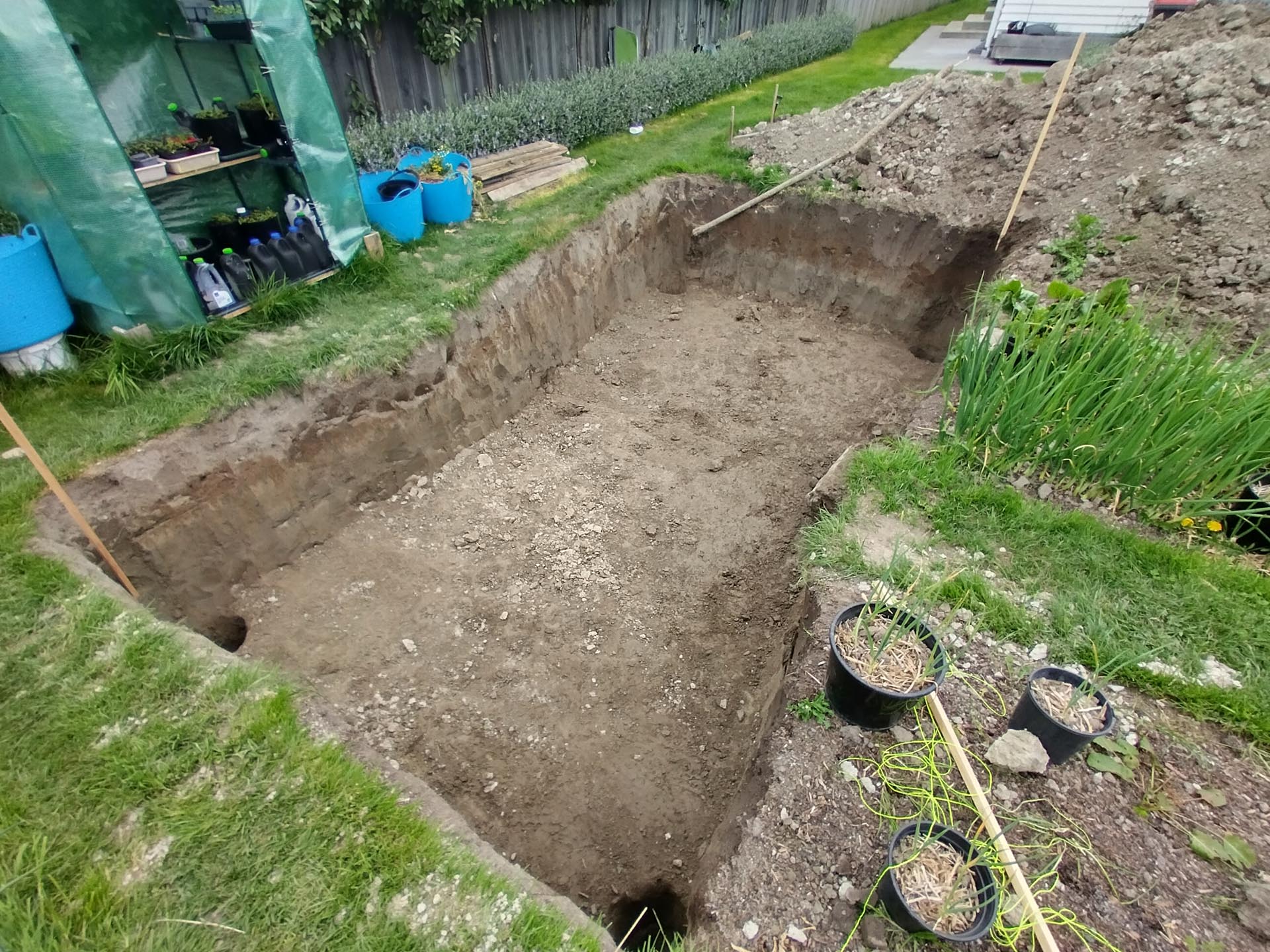
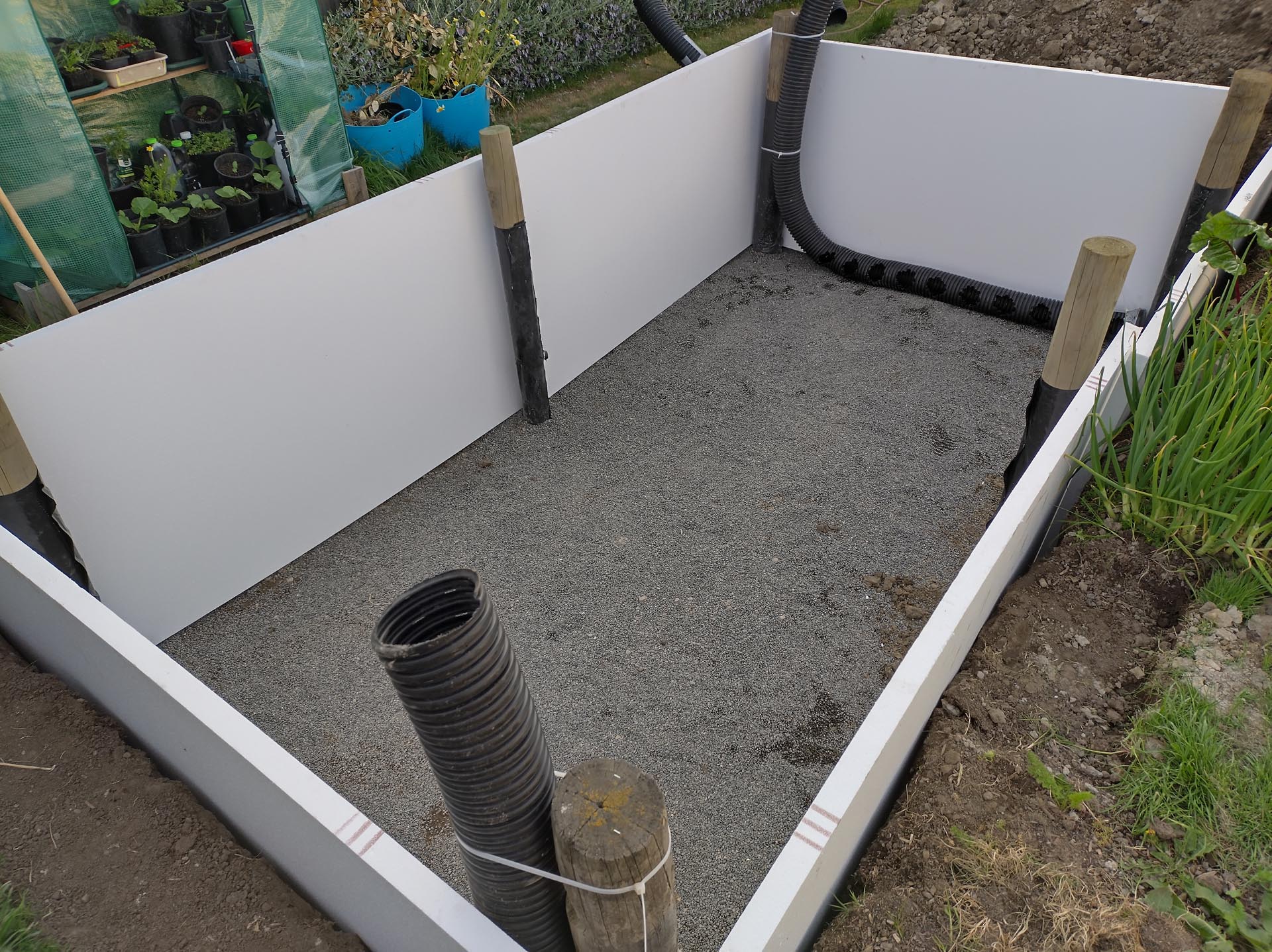
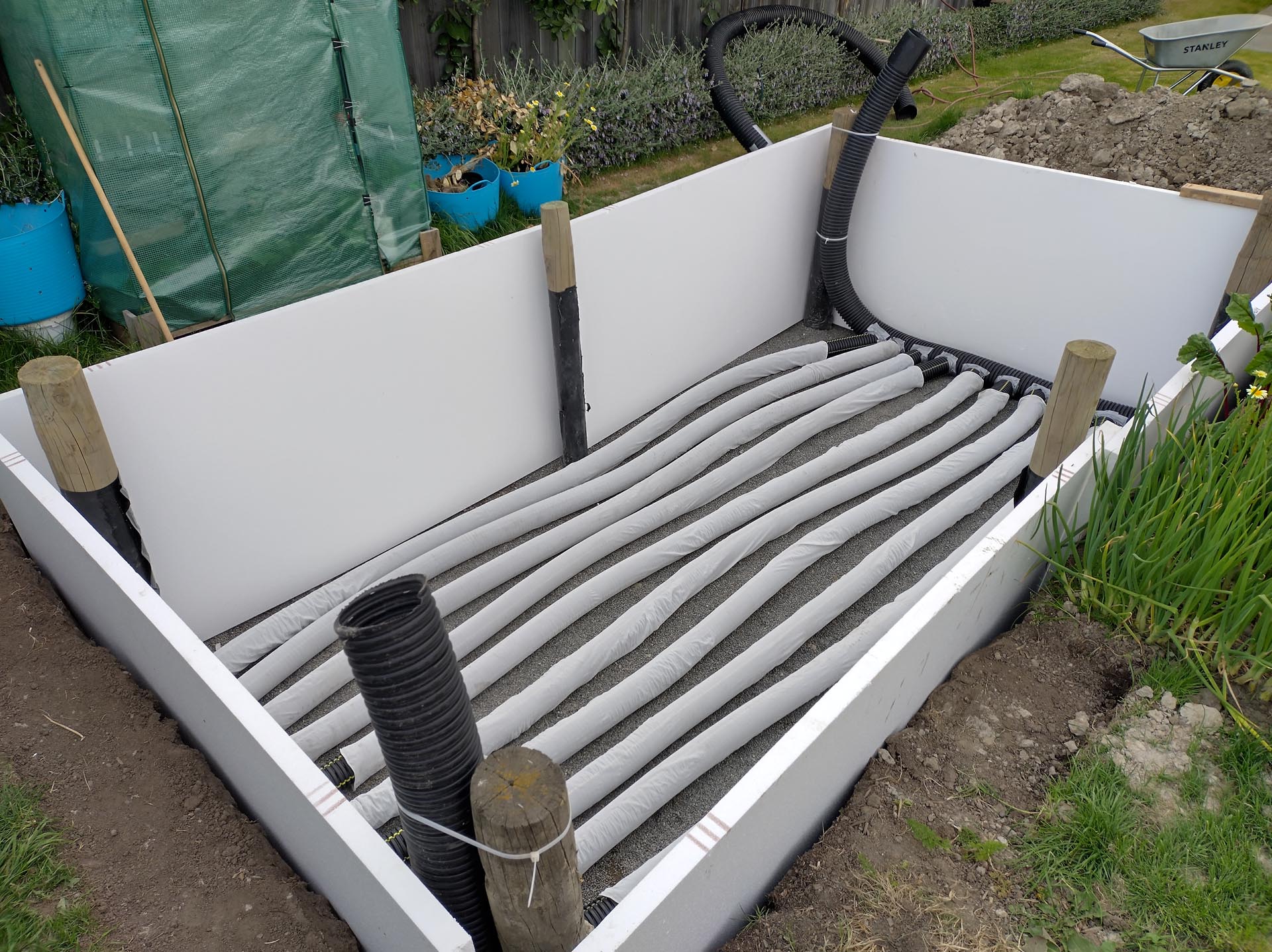
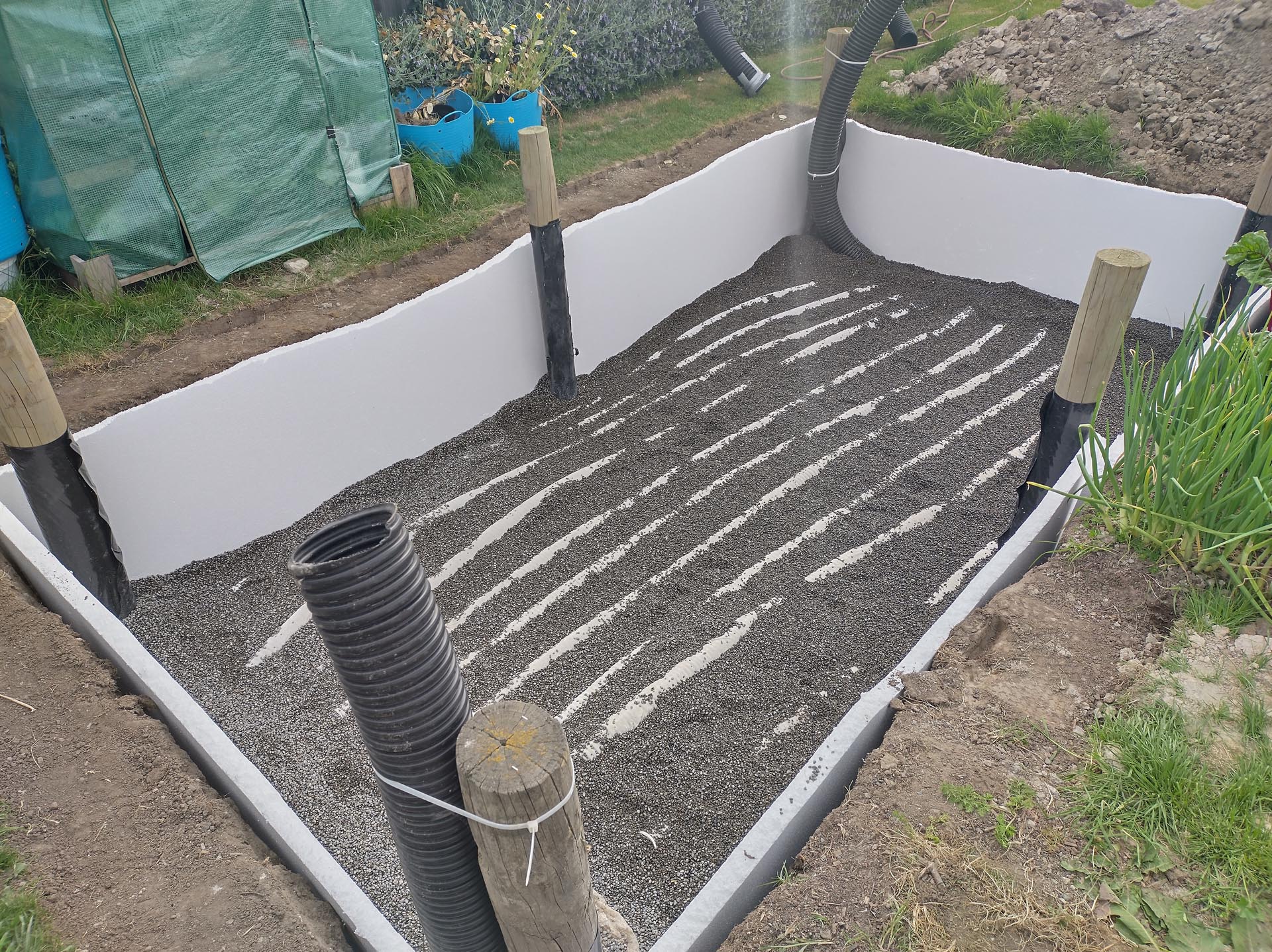
This incredible project showcases the ingenuity and dedication of our customer, James, who built a geothermal battery beneath a kitset greenhouse using materials from Musgroves. As possibly the first of its kind in these climes, it’s an impressive blend of sustainability, innovation, and craftsmanship. A wonderful series of photos below documents James’ whole journey, along with a detailed summary of the process, enjoy!
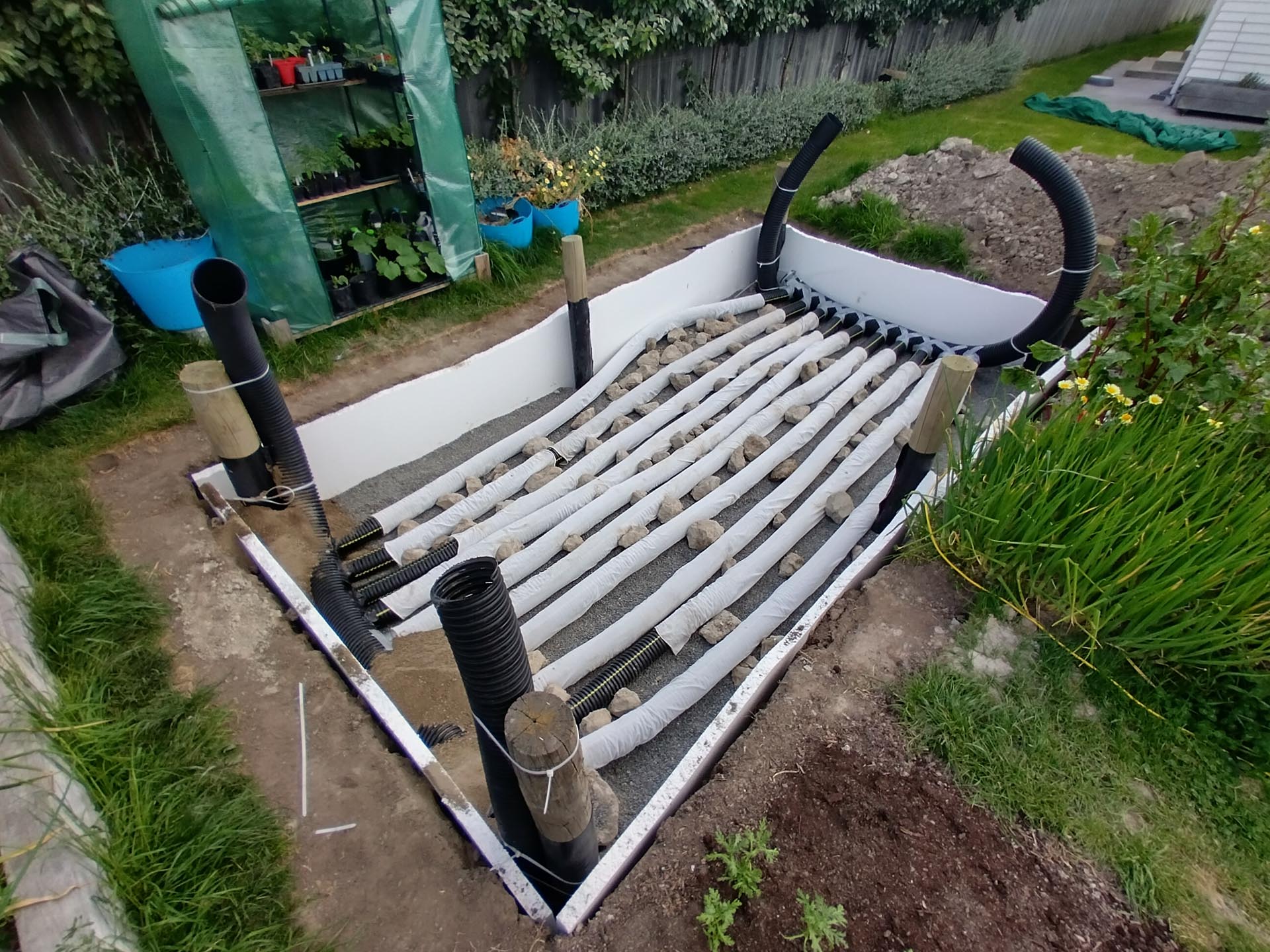
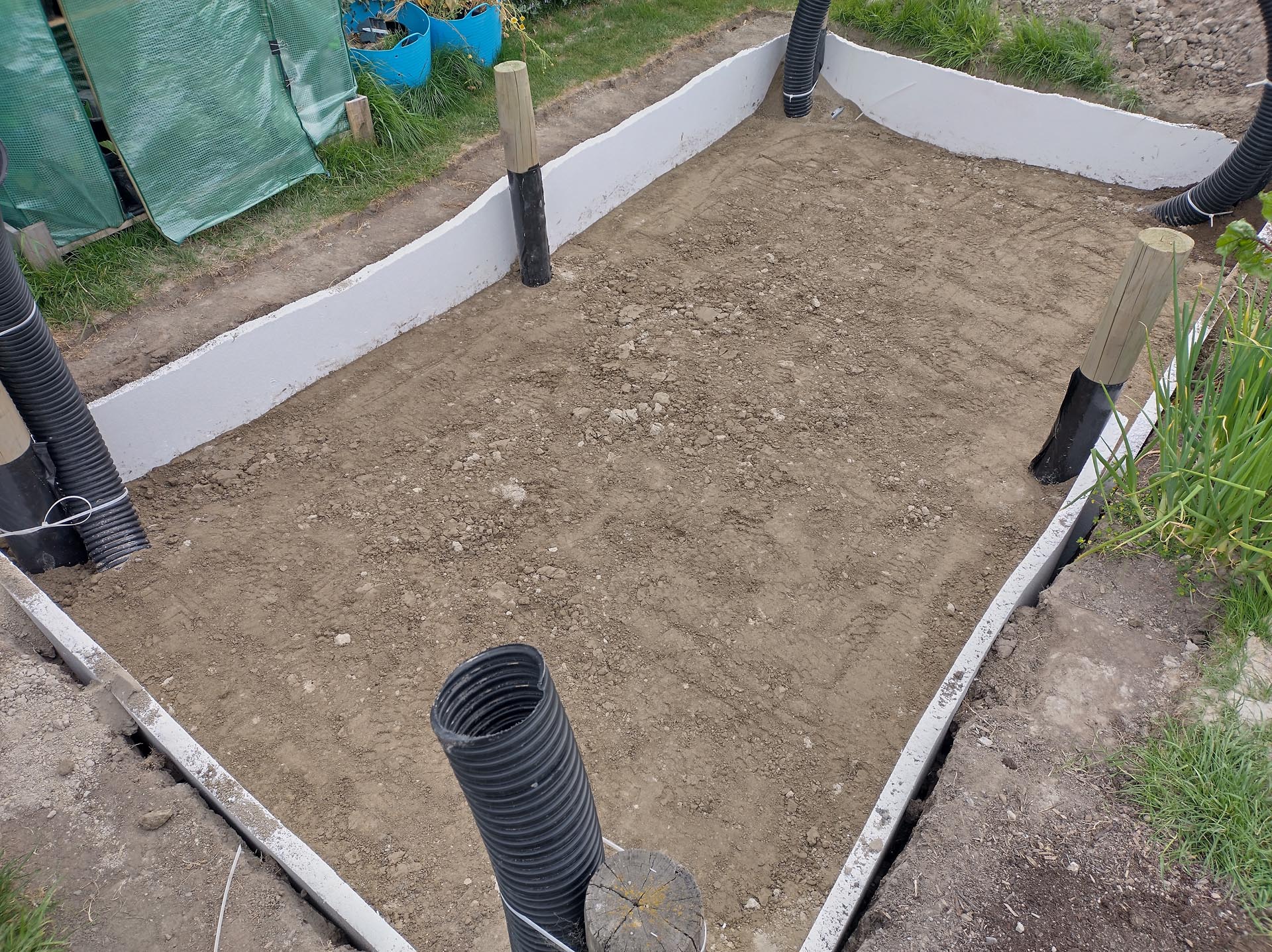
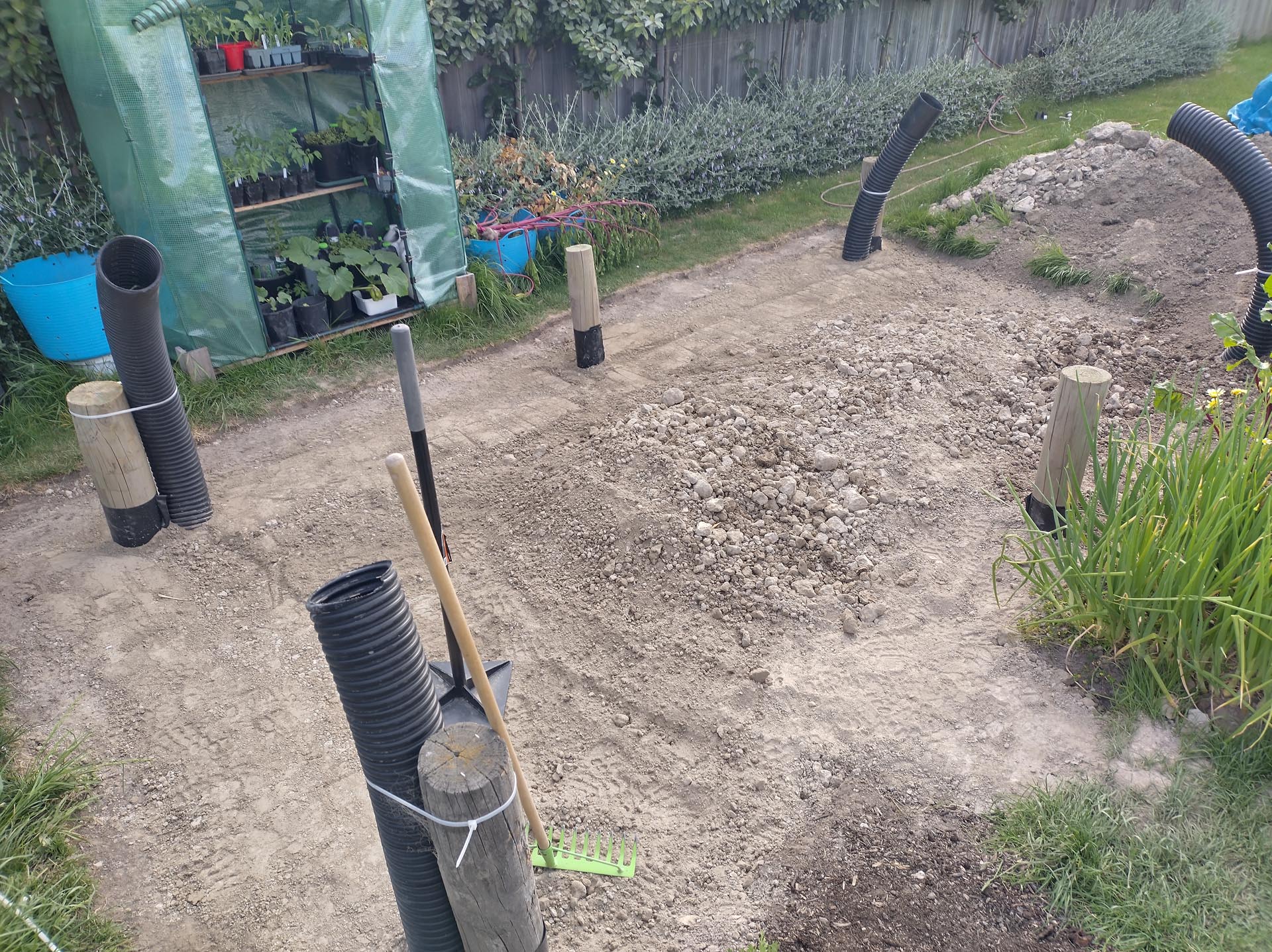
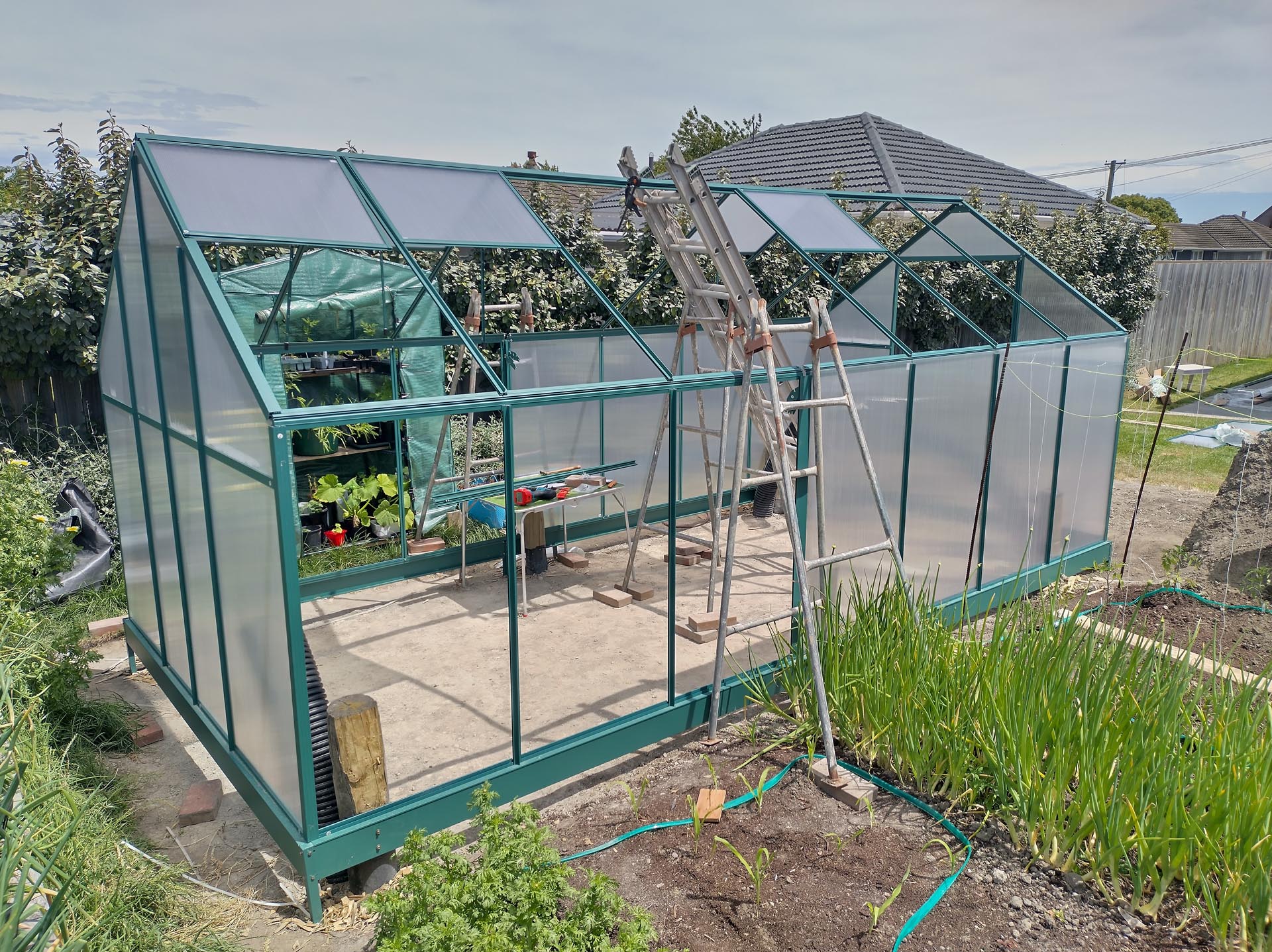
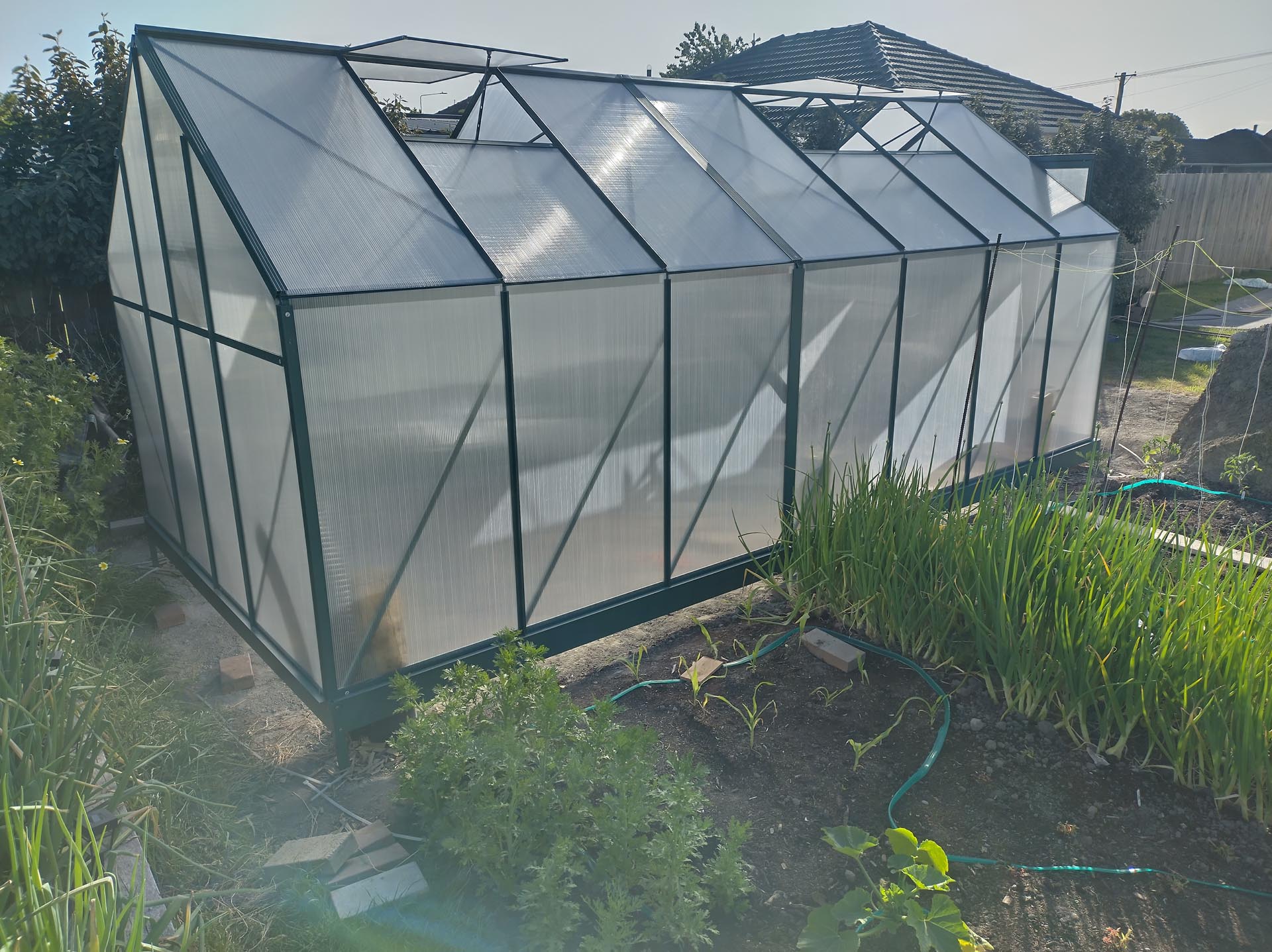
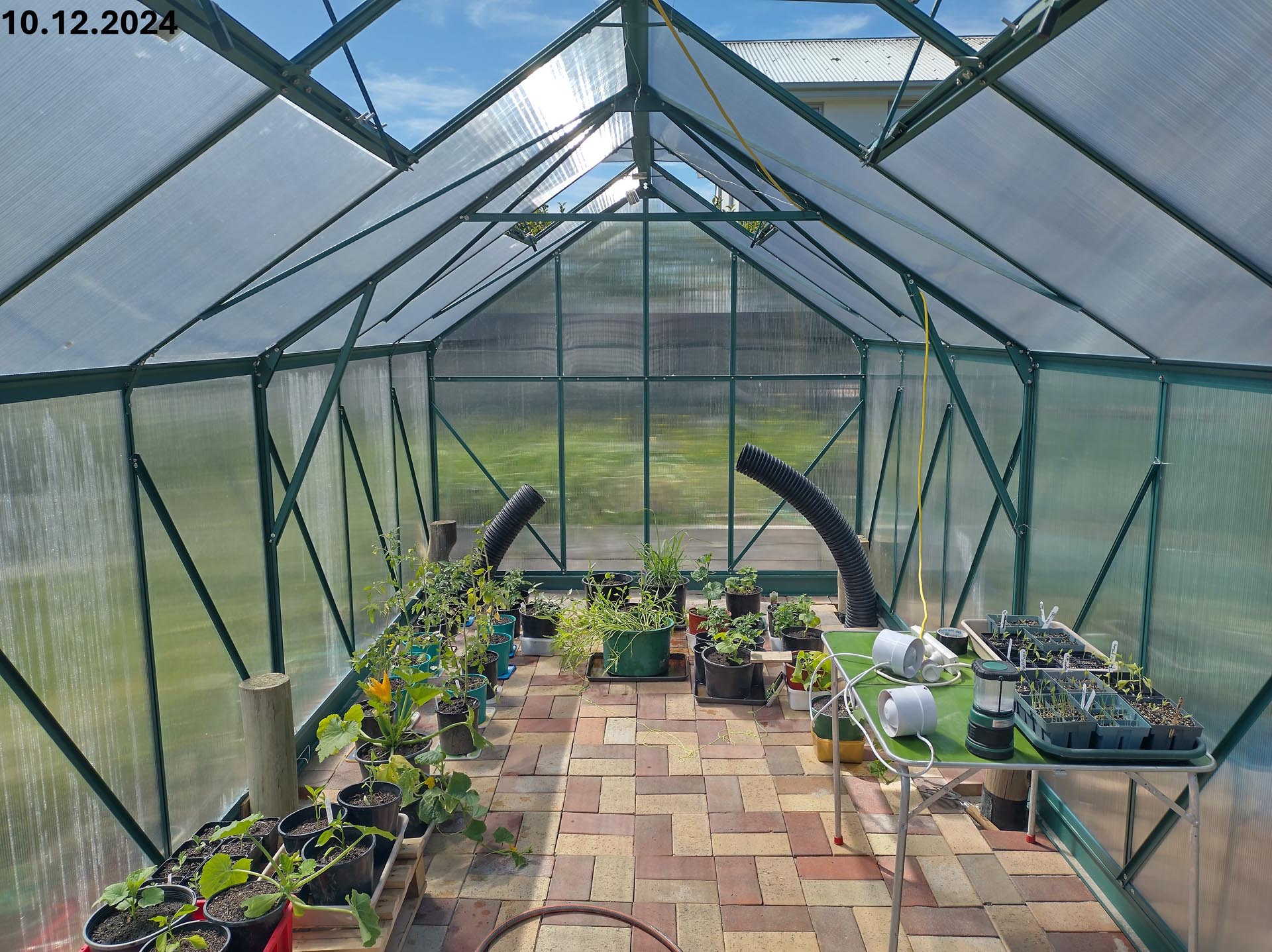
“I built a ground-to-air heat transfer geothermal battery underneath a 2.4m x 5.1m kitset greenhouse in Christchurch using some materials sourced from Musgroves. From my research it may be the first of its kind in NZ, as I’ve only seen the design being used in cold northern climates.
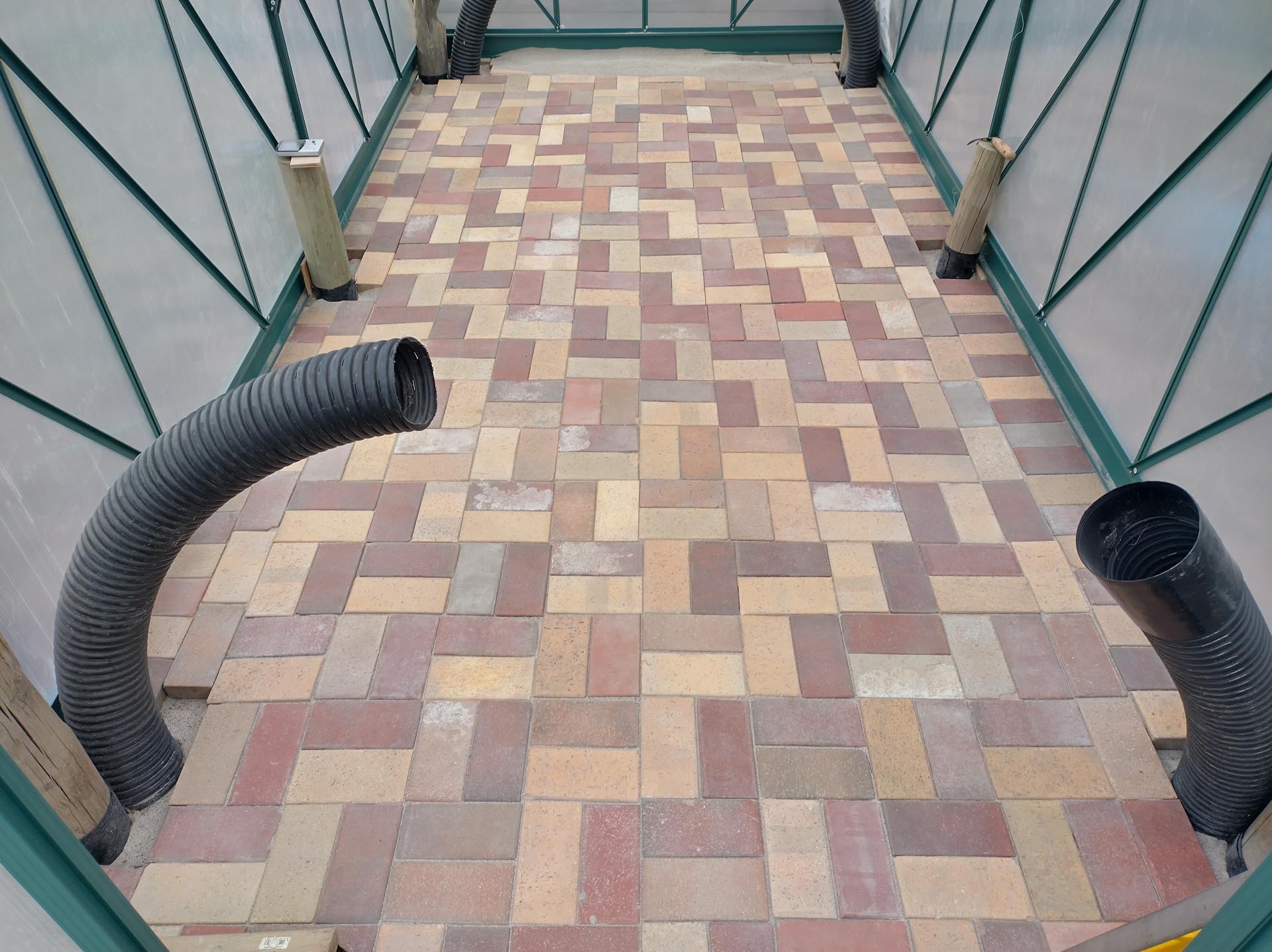
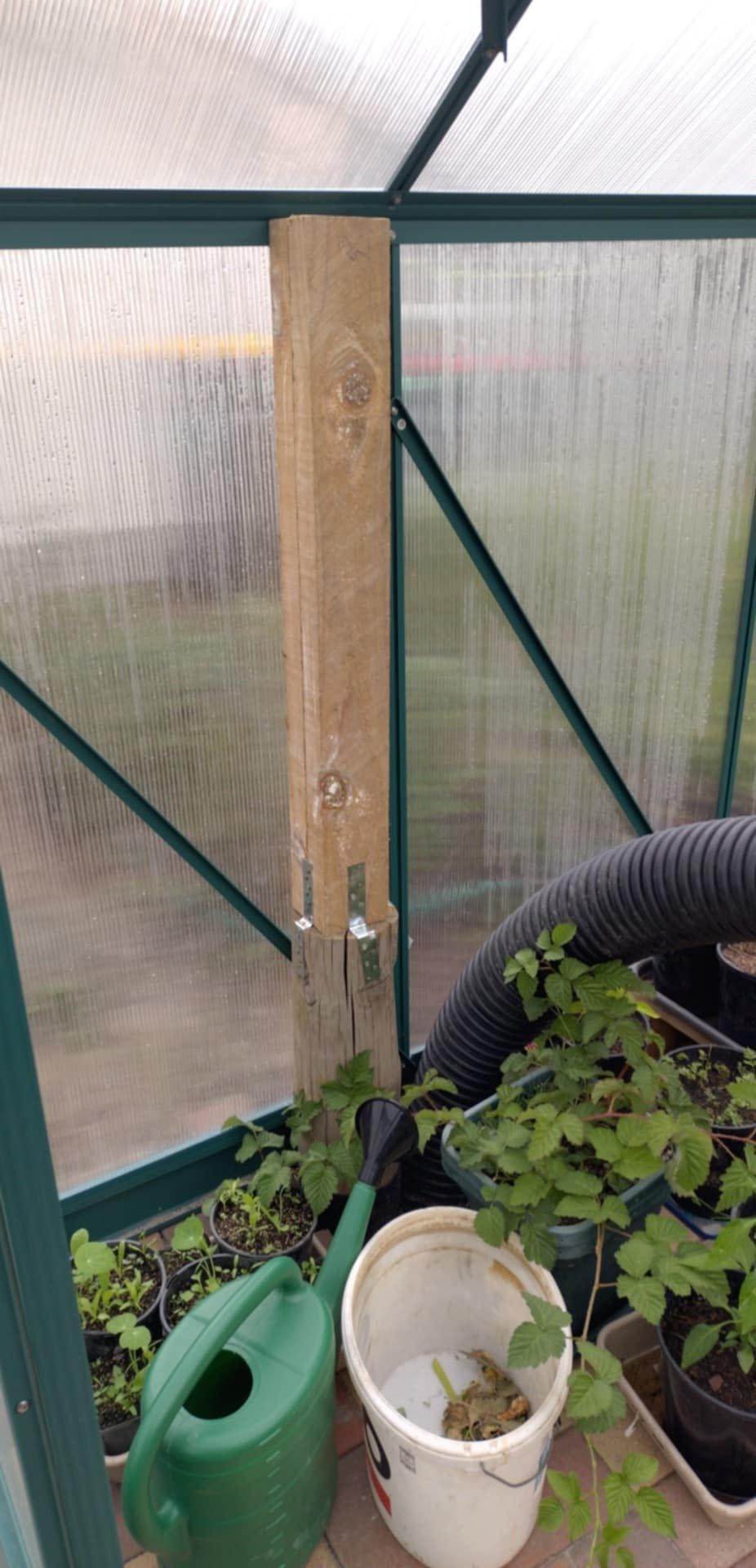
I bought 6x 1.8m recycled treated round fence posts and concreted them into the floor of the battery and used them as the skeletal structure of the battery and for fixing the base skirting of the greenhouse to. When the greenhouse was finished I came back and bought lengths of pine to extend from the top of the posts to the angled roof panels, nailed together with strapping then pop riveted the top of the extension (roughly a 100×100 with 2 100×50 pieces laminated together) to the aluminium frame of the greenhouse. She’s not going anywhere.
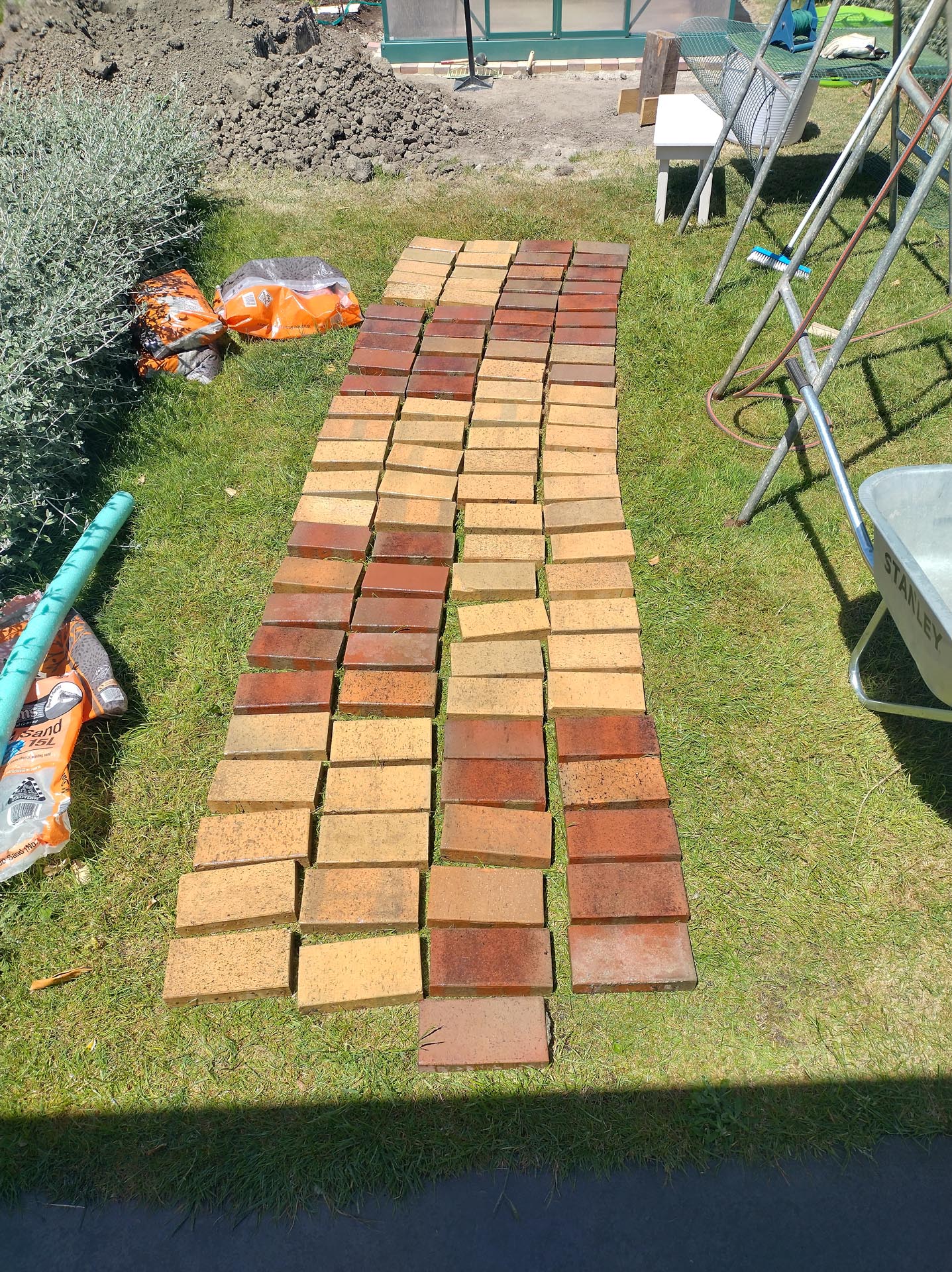
I also bought 400-500 (~100 per trip in my hatchback) recycled paver bricks to pave the floor of the greenhouse. I think I emptied almost a whole pallet in the end, and tried to get 50:50 amounts of red and yellow. After a scrub and wash they came up nicely.
I started clearing and digging on the 22nd of September and concluded the build in early December.”
How does a geothermal battery work?
A geothermal “battery” transfers heat between the ground and a greenhouse using buried pipes.
During warmer periods, warm air from the greenhouse is circulated through underground pipes, transferring heat to the soil for storage. When temperatures drop, the system reverses, drawing cooler air through the pipes, where it absorbs stored heat before returning to the greenhouse.
This system includes pipes, a fan or blower for air movement, and a temperature control mechanism. It helps regulate temperature naturally, reducing heating and cooling costs while maintaining a stable greenhouse environment.